

Enhancing Hong Kong’s CNS/ATM Network for the Three-Runway Era
Hong Kong International Airport has long been recognized as one of the world's busiest aviation hubs for both passenger and cargo traffic. However, the original two-runway system was approaching its practical operating capacity, limiting future growth in aircraft movements and reducing the airport's competitiveness relative to major regional hubs such as Singapore, Guangzhou, and Shenzhen. To address these constraints and support Hong Kong's long-term aviation development, Airport Authority Hong Kong implemented the Three-Runway System.
The increase in aircraft movements resulting from the Three-Runway System places greater demands on the CNS/ATM infrastructure. As air traffic continues to grow, there is an increasing reliance on high-precision navigation systems to ensure the safe and efficient movement of aircraft within Hong Kong airspace. At the same time, the surveillance workload of air traffic controllers continues to increase, requiring radar and monitoring systems to operate with exceptional accuracy, reliability, and availability. Consequently, all critical aviation support facilities must meet increasingly stringent requirements for operational resilience, system reliability, and service continuity.
Starting in 2023, the Civil Aviation Department (CAD) of Hong Kong commenced a comprehensive programme of Alteration and Addition works and refurbishment for a network of off-airport facilities across Hong Kong. These facilities form part of the Communications, Navigation, Surveillance, and Air Traffic Management (CNS/ATM) network, which is essential for ensuring the safe and efficient management of air traffic within Hong Kong’s airspace. The network enables aircraft to communicate, navigate, be monitored by air traffic controllers, and receive critical meteorological information throughout their journey.
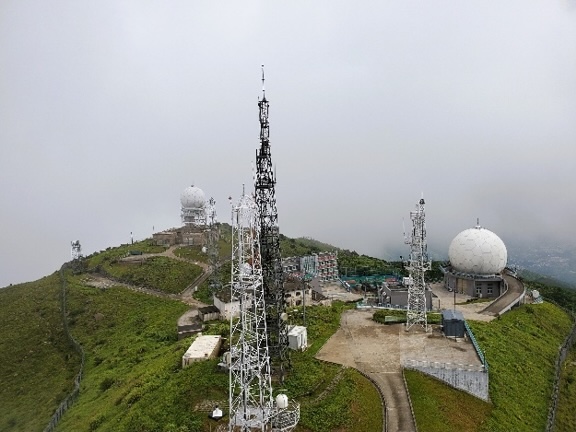
These aviation facilities are strategically located on mountain summits, remote islands, and other key sites across Hong Kong. Elevated locations provide optimal radio and radar coverage, while offshore and remote sites offer unobstructed navigation signals and reduced interference from urban electromagnetic sources. The facilities include:
- Beacon Hill ASR & ASSR Station;
- Cape D’ Aguilar H.F. Radio Transmitting Station;
- Cheung Chau Navigational Aid Station;
- Lung Kwu Chau Navigation Station;
- Mount Butler H.F. Radio Receiving Station;
- Mount Parker RSR and RSSR Station;
- North Lantau Microwave Link Relay Station;
- Sha Chau ASR Station;
- Siu Mo To DVOR/DME Station;
- Tai Mo Shan TAR Station;
- Tung Lung Chau Tathong Point Radio Navigation Station;
- Victoria Peak Radio Station
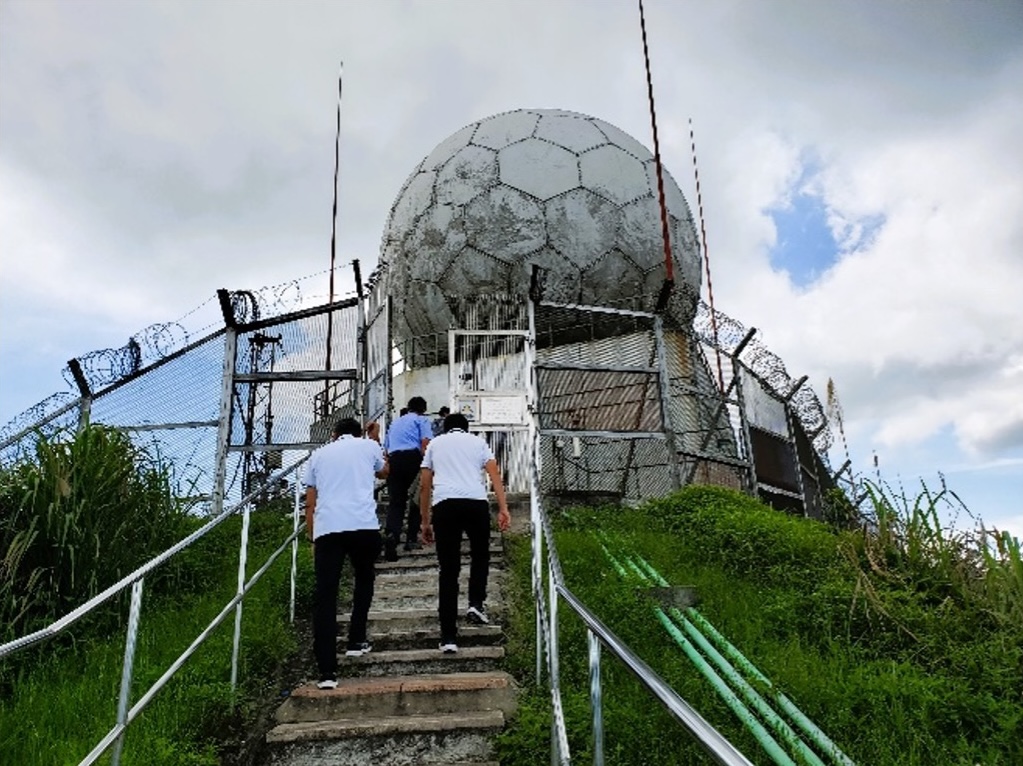
Against this backdrop, the refurbishment and technological enhancement of CAD’s off-airport radar and radio stations have become essential to supporting the long-term development of Hong Kong’s aviation infrastructure. These improvement works will ensure that the CNS/ATM network can safely and efficiently accommodate the increased air traffic associated with the Three-Runway System while maintaining the highest standards of aviation safety, operational reliability, and service performance.
Northcroft Hong Kong Ltd. has been appointed as the Quantity Surveyor for this challenging programme, providing cost management, procurement, and contractual advisory services throughout the project lifecycle. Working closely with the Civil Aviation Department and the project team, Northcroft supports the successful delivery of these critical infrastructure upgrades while ensuring effective cost control and value optimization. The programme is currently progressing through its implementation stages and is targeted for completion in 2028.
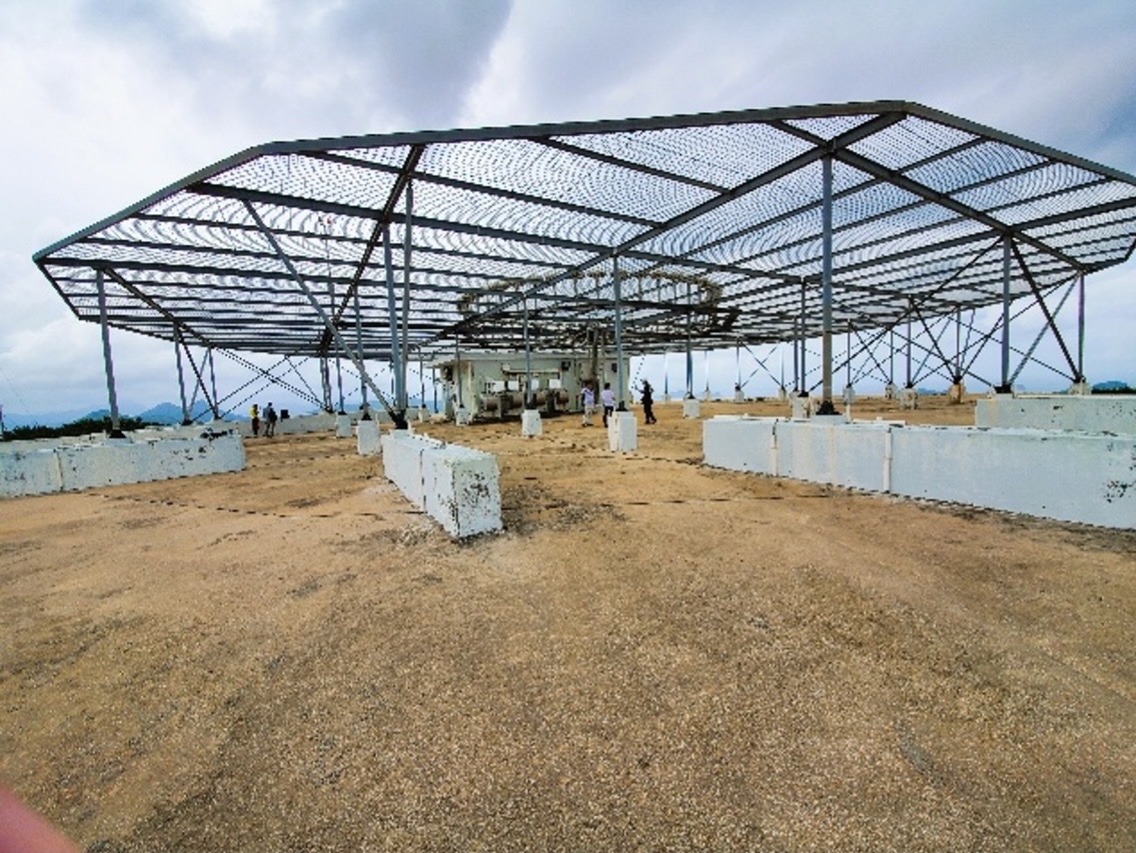
The programme will reinforce Hong Kong’s position as a leading international aviation hub and a key gateway to the Greater Bay Area, ensuring that the city’s aviation infrastructure remains capable of supporting future growth in passenger and cargo traffic while maintaining its competitiveness in the regional and global aviation sector.
Driven by
challenges
powered by
thoughtfulness //
Recent Posts
Bill of Quantities from 1870 demonstrates good quantity surveying skills have always been valued
Building the AI Backbone: Northcroft’s Involvement in Data Center Expansion
Hostels in the City: Bridging Hong Kong’s Student Housing Shortfall
A New Chapter for Travel Retail: CDF Acquires DFS Hong Kong and Macau
Construction, Materials, and Labor Costs in Major China and Selected Cities — Q2 2025
The Unshakeable Foundation: Confidence and Construction in Hong Kong’s Finance