
Navigating the New Luxury Landscape in China: How Brands Are Reigniting Retail Growth
After years of rapid growth, the luxury market is now slowing down. Luxury retail conglomerates have revealed a slowdown in sales growth, particularly in key markets like Asia. Geopolitical and economic uncertainties, profound changes in purchasing habits and values among today’s luxury shoppers are all contributing to this shift.
The traditional model of luxury retail—exclusive, transactional, and focused on the product-as-status-symbol—is losing its grip. The modern high-end shopper, especially the influential younger generation, is prioritizing experience over ownership and cultural connection over conspicuous consumption. They seek meaning, storytelling, and personal enrichment from their interactions with a brand.
This shift is amplified by the age of social media. For the new generation, luxury is not just about possessing an item but about curating and showcasing a lifestyle. A purchase is validated not only by its quality but by the “instagrammability” of the moment it represents—the elegant cafe, the stunning art installation, the exclusive behind-the-scenes experience. The store itself must become a stage for their personal narrative.
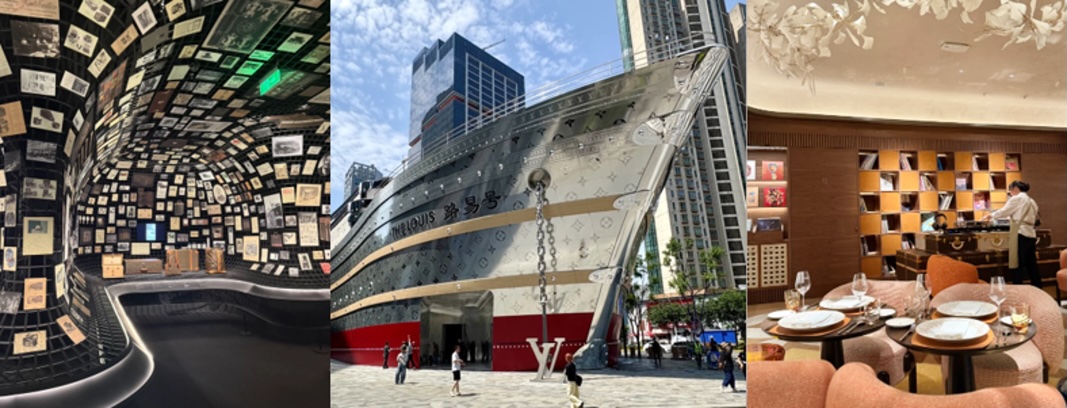
In response, luxury houses are undertaking massive reforms, transforming their stores from temples of commerce into holistic cultural hubs. The new goal is to attract customers not with a mere invitation to buy, but with an offer to experience, engage, and belong. By adding elements that lengthen dwell time and foster emotional connection, they create opportunities for deeper relationships that naturally encourage spending.
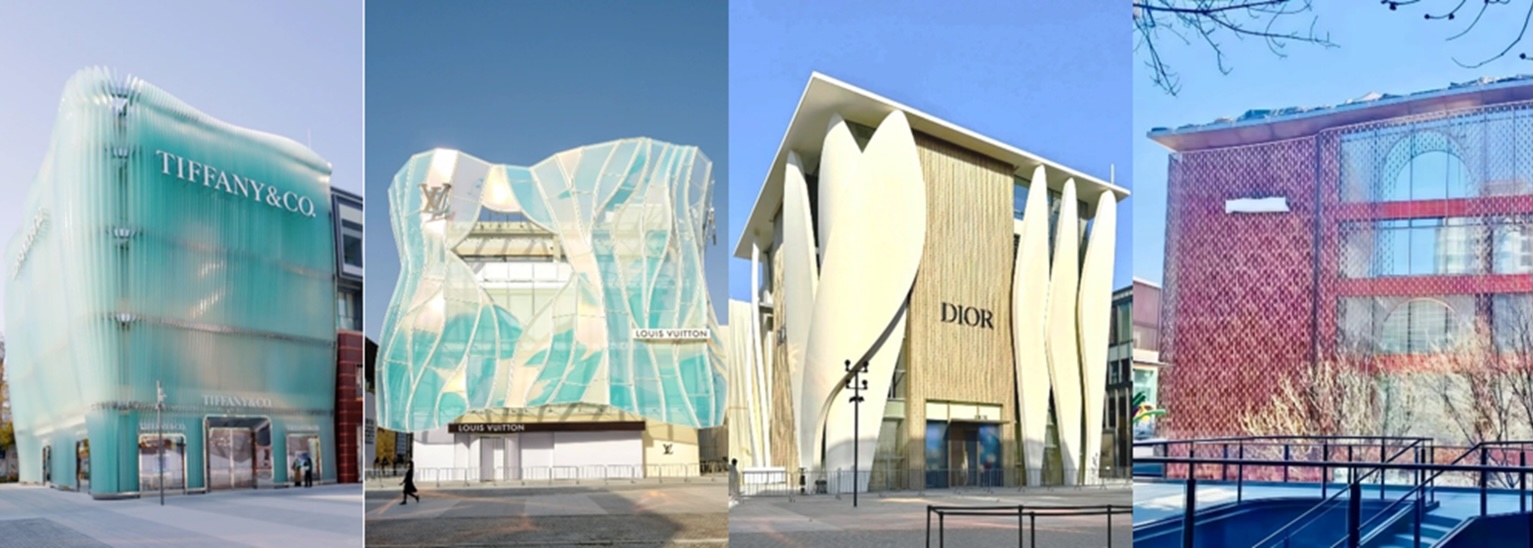
Beijing’s Sanlitun District is one of the representatives of the modern block-style shopping center, which features a highly adaptable brand layout. By enhancing its distinctive block structure and architectural form, Sanlitun can attract foot traffic more effectively. Moreover, through thoughtful shopfront design, it powerfully communicates each brand’s unique identity. These retail destinations, which offer immersive and one-of-a-kind experience, are becoming a key strategy for brands to reignite their growth.
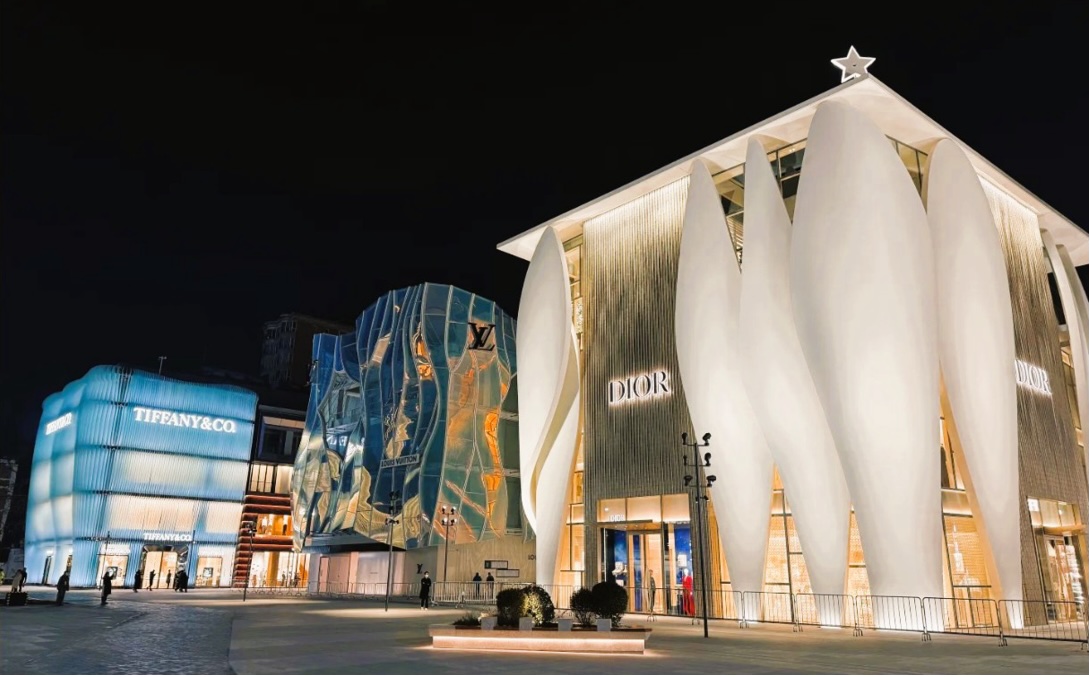
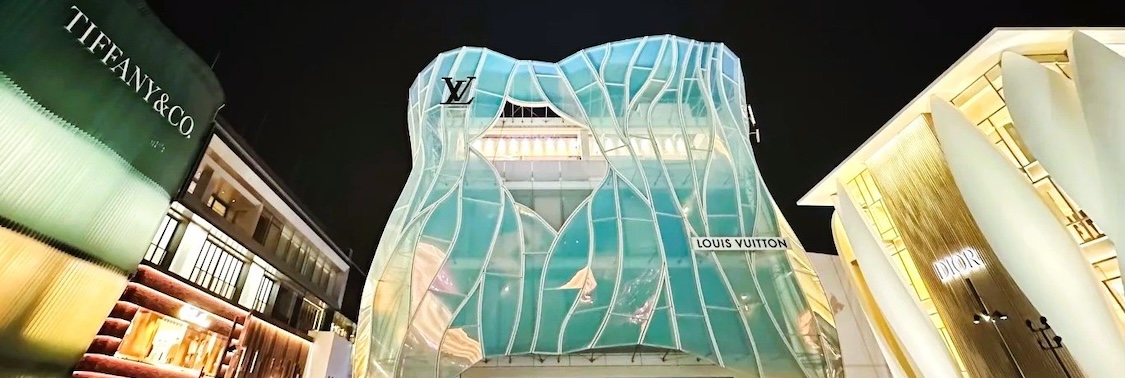
This December, LVMH will unveil three multi-story stand-alone flagship stores for its crown jewels: Louis Vuitton, Dior, and Tiffany & Co. Set to open side-by-side, these three architectural icons are positioned to dramatically reshape Beijing’s retail scene. Together with the forthcoming Hermès flagship, these four landmarks will become a pivotal block in Sanlitun as a global destination for fashion and fine jewelry.
These flagship stores typically house seasonal collections on the lower floors, while dedicating upper levels to cafés, restaurants, and galleries that showcase collaborations with contemporary artists. This integrated approach extends customer visits, fosters broader community engagements, and allows the brand to connect on multiple levels: through taste, aesthetics, and intellectual engagement. In this model, shopping becomes just one part of a broader leisure and cultural experience.
As a trusted partner of LVMH and Hermès for over two decades, Northcroft takes pride in our collaboration on numerous projects across the APAC region, including these flagship developments in Beijing’s Sanlitun. By building these captivating retail destinations, we are not just renovating stores, we are supporting them on the journey to define the future of luxury.
According to market observers, the construction of this new retail model underscores the long-term commitment of global luxury houses to China. The timing of these openings, coinciding with the critical year-end shopping period, is anticipated to stimulate renewed vigor in the domestic luxury sector.
Driven by
challenges
powered by
thoughtfulness //
Recent Posts
Bill of Quantities from 1870 demonstrates good quantity surveying skills have always been valued
Building the AI Backbone: Northcroft’s Involvement in Data Center Expansion
Hostels in the City: Bridging Hong Kong’s Student Housing Shortfall
A New Chapter for Travel Retail: CDF Acquires DFS Hong Kong and Macau
Construction, Materials, and Labor Costs in Major China and Selected Cities — Q2 2025
The Unshakeable Foundation: Confidence and Construction in Hong Kong’s Finance